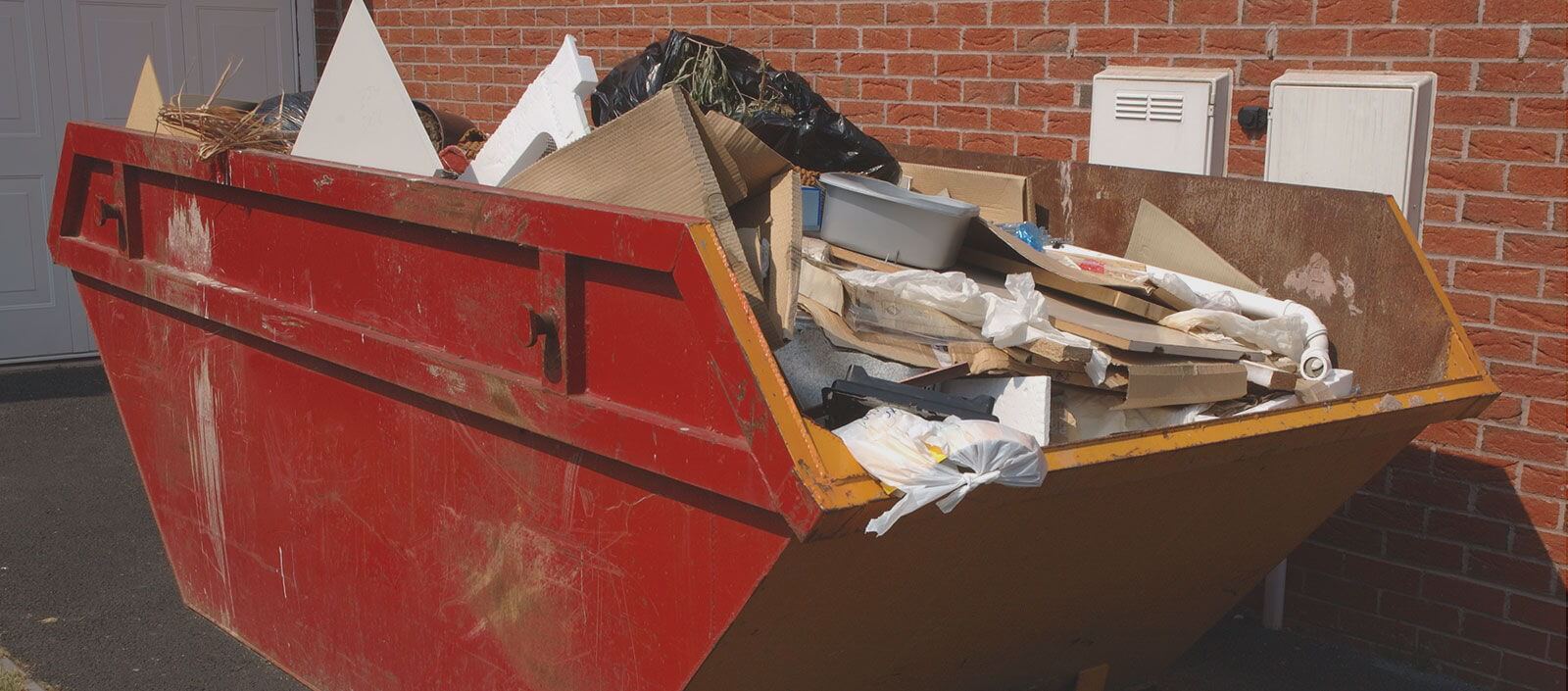
Avoid common rubbish removal mistakes in Elephant and Castle
Posted on 14/07/2026
If you are trying to sort out a flat, a shop, a building job, or even a single bulky item, rubbish removal can look simple at first. Then the bins pile up, the stairwell gets cramped, and suddenly the whole job is taking longer than expected. That is exactly why it pays to avoid common rubbish removal mistakes in Elephant and Castle from the start. In a busy part of London, with tight streets, shared access, and a mix of homes, offices, and building work, small planning errors can turn into delays, extra costs, or avoidable stress. This guide walks you through the practical stuff that actually matters, without the fluff.
Whether you are clearing out a flat near the station, managing a landlord turnaround, or dealing with a small renovation, the aim is the same: remove waste safely, legally, and efficiently. Let's make it easier.
Why Avoid common rubbish removal mistakes in Elephant and Castle Matters
Elephant and Castle is one of those places where everything seems to happen at once. People move home, offices refresh their layouts, flats get refurbished, and weekend clear-outs happen in the middle of already busy roads. That mix makes rubbish removal feel straightforward until it isn't. The wrong approach can mean missed collections, awkward access issues, unhappy neighbours, or waste sitting around longer than it should.
There is also the simple fact that rubbish is not all treated the same. General household waste, furniture, white goods, green waste, builders' rubble, and office clutter each need different handling. If you lump everything together without a plan, you can waste time separating it later. Or worse, you might book the wrong type of collection and discover the vehicle, crew, or timing is not right for the job. Bit of a headache, really.
In our experience, the biggest problems are rarely dramatic. They are usually the boring ones: poor estimating, no lift access check, no parking plan, or forgetting that heavy items need two people and decent lifting technique. Small things. Big consequences.
One smart move is to think about the whole journey, from the room where the waste is sitting to the point it leaves the property. If you are clear about that flow, the job gets much smoother. If you want a broader view of local services and options, the services overview is a useful place to start.
How Avoid common rubbish removal mistakes in Elephant and Castle Works
At its core, good rubbish removal is just organised waste handling. You identify what needs to go, sort it into sensible categories, decide how urgently it needs collecting, and arrange a method that fits the property. The idea sounds easy. The tricky bit is matching the plan to the real-world conditions of your building and street.
A typical process might look like this:
- List the items and estimate volume, weight, and any awkward pieces.
- Check whether any waste needs special handling, such as appliances, plasterboard, or commercial waste.
- Confirm access: stairs, lifts, narrow halls, loading points, permits, or timed entry.
- Choose a collection type that suits the job, whether that is a single-item pickup or a full clearance.
- Set a collection window that gives you enough time to finish sorting and moving items.
- Prepare the space so the crew can work without delays.
- Make sure the waste is transferred to a licensed operator who can handle it properly.
That last point matters more than many people realise. A legal waste carrier should be able to manage transport and disposal in line with normal UK expectations. If you are arranging disposal through a company, it is sensible to review their approach to a waste carrier licence and compliance before you book anything.
For local jobs, speed can be useful too, especially if you are between tenancies or dealing with a last-minute space clear. If timing is tight, a same-day option near the station may be worth considering, and the article on same-day rubbish removal near Elephant and Castle Station gives a good feel for that kind of situation.
Key Benefits and Practical Advantages
When rubbish removal is planned properly, the benefits are obvious very quickly. You get your space back, the property looks better, and the job feels controlled instead of chaotic. But there are a few less obvious wins too.
- Less disruption: A tidy removal plan reduces noise, trips up and down stairs, and repeated handling.
- Lower chance of damage: Heavy furniture and sharp debris are easier to move safely when the route is thought through.
- Better cost control: Clear sorting and accurate quoting can prevent last-minute surprises.
- Cleaner handovers: This matters for landlords, tenants, letting agents, and business premises.
- Improved recycling potential: Separating useful materials from general waste makes reuse and recycling more realistic.
There is also a mental benefit that people underestimate. A cluttered room has a way of making everything feel unfinished. Once the waste is gone, the whole place breathes a bit better. You notice the light, the floor space, the actual shape of the room again. Sounds dramatic, but it's true.
If you are trying to manage costs while keeping things tidy, it can help to compare the wider pricing approach with the guidance on pricing and quotes. That way, you are not just chasing the cheapest number; you are judging what is included and what might come later.
Who This Is For and When It Makes Sense
This guide is useful for anyone who has waste to clear and does not want the process to become messy, expensive, or non-compliant. That includes homeowners, tenants, landlords, property managers, builders, shop owners, office teams, and anyone dealing with a big life change. House moves. End-of-tenancy clearances. Flat renovations. Office refits. Seasonal garden clear-outs. All of it.
It is especially relevant if you are dealing with:
- bulky furniture that will not fit in normal bins
- white goods and appliances that need careful handling
- builders' waste after a renovation or repair
- loft, garage, or basement clutter
- commercial waste from a retail or office setting
- mixed loads where some items can be recycled and others cannot
Let's face it, a lot of people only think about rubbish removal when the problem is already visible in the hallway. That is usually the moment it makes sense to act. But there are earlier warning signs too: items stacked by the door, waste bags sitting for days, or a skip plan that no longer fits the space. If that sounds familiar, you are already at the right stage to sort it.
For residential clearances, the pages on domestic waste collection in Elephant and Castle, furniture removal, and house clearance are especially relevant. For workspaces, office clearance is the better fit. If you are dealing with a mixed business load, commercial waste removal is worth a closer look.
Step-by-Step Guidance
If you want to avoid common mistakes, a simple process works best. No overthinking. Just a clear sequence.
1. Identify everything that needs removing
Walk through the property slowly and note every item. Separate general rubbish, recyclable materials, furniture, appliances, and building debris. A short written list is enough. You do not need a fancy spreadsheet unless you enjoy that sort of thing.
2. Measure the awkward items
Oversized sofas, wardrobes, mattresses, and fridges can be the difference between a quick pickup and a tricky one. Measure height, width, and depth if there is any doubt. Also check whether the item will actually pass through the stairwell, not just the front door.
3. Check access before collection day
Is there a lift? Is it working? Are there time restrictions, entry codes, or a narrow loading bay? In Elephant and Castle, access planning is often more important than the actual lifting. A crew can move waste quickly if they can reach it. If not, everything slows down.
4. Match the service to the waste type
Do not book a general clear-out if you really need a more specific service. Builders' rubble, old furniture, garden cuttings, and white goods are often best handled differently. The wrong match can lead to delays or extra handling.
5. Prepare items for collection
Bag loose waste, empty drawers where practical, remove small valuables, and disconnect appliances safely. If you have any fragile items mixed in, set them aside first. It saves time and reduces the chance of accidental damage.
6. Confirm timing and expectations
Agree the collection window, the items included, and any access rules. A quick confirmation call or message can prevent the classic "oh, we thought that was included" problem. Happens more often than people admit.
7. Make sure the load is handled responsibly
Once the waste leaves your property, it should be managed by a compliant operator. That is not just admin. It protects you from problems if waste is later traced back to an illegal dumping issue. If you are unsure, check the company's standards through their recycling and sustainability information as well.
Expert Tips for Better Results
Here is the practical stuff that tends to separate a smooth job from a stressful one.
- Sort before the crew arrives. Even a rough sort into bags, furniture, appliances, and loose scrap helps a lot.
- Keep one clear path. A hallway full of shoes, bikes, prams, or boxes slows everything down.
- Protect floors if needed. Cardboard or covers can help with heavy items on older flooring.
- Be honest about volume. Underestimating waste is one of the fastest ways to upset the plan.
- Ask what cannot be taken in one load. A quick check avoids awkward surprises.
- Think in zones. Put everything for removal in one or two defined areas rather than scattered piles.
A small but useful habit: take a phone photo of the waste before booking. Not because you need proof of anything dramatic, but because photos make it much easier to estimate volume and explain the job clearly. And yes, sometimes the photo is humbling. The pile looks twice as big when you see it all at once.
If you are choosing a provider, it can also help to read the company background and standards. The about us page can give you a better sense of how the business works, while insurance and safety details are worth checking for peace of mind.

Common Mistakes to Avoid
This is the section that saves people money and hassle. Most rubbish removal mistakes are not complicated, they are just easy to make when you are in a rush.
1. Booking without checking access
A van may be fine on paper, but if it cannot stop nearby or the lift is out, the job gets harder straight away. In a busy part of London, access is part of the job, not an afterthought.
2. Mixing all waste together
Builders' waste, furniture, and general household rubbish are not always handled the same way. Mixing them can slow things down and reduce recycling opportunities.
3. Underestimating volume
That one sofa and "a few bags" often becomes a larger load once everything is gathered. It is better to be realistic from the start.
4. Leaving booking too late
If the waste is urgent, waiting until the day before a move or handover is risky. Same-day help may exist, but do not rely on luck if the deadline matters.
5. Forgetting about special items
White goods, mattresses, garden waste, and certain construction materials may need specific handling. If you do not mention them early, the quote may not reflect the real job.
6. Not confirming what is included
Stairs, labour, loading time, and disposal treatment all matter. A clear agreement avoids confusion later.
7. Choosing only on headline price
The cheapest quote is not always the cheapest outcome. Sometimes a slightly better-organised service saves more in the end because the job is done properly the first time.
8. Ignoring compliance
If your waste is picked up by the wrong operator, you can inherit risk you never wanted. That is why compliance and proper handling are not just formalities.
Tools, Resources and Recommendations
You do not need a kit full of specialist gear to manage a rubbish removal job well, but a few tools and habits make life easier.
- Strong bin bags and boxes: Good for loose waste, small household items, and sorting.
- Labels or marker pens: Helpful when separating keep, donate, recycle, and remove piles.
- Measuring tape: Useful for doors, furniture, and awkward stair turns.
- Basic gloves: Handy for cleaner handling of mixed rubbish.
- Phone camera: Excellent for pre-booking photos and progress checks.
For service planning, start with the core pages that explain the available options. If you are disposing of an old sofa or wardrobe, furniture disposal in Elephant and Castle may be the more direct fit. For heavier waste from a refurbishment, builders' waste disposal is the obvious route. If you are clearing out a garden after a wet weekend and a very ambitious hedge trim, garden waste removal is the more sensible option.
And if you are dealing with an appliance that has reached the end of the road, white goods and appliance disposal is worth checking rather than trying to improvise. Old fridges, washing machines, and dishwashers are not the sort of items you want to wing. Trust me.
Law, Compliance, Standards, or Best Practice
Rubbish removal in the UK sits within a framework of normal waste handling duties, and the important thing for most readers is this: do not hand waste to anyone you would not trust to dispose of it properly. If waste is fly-tipped or handled illegally, you may find yourself dragged into the mess, even if you thought you had done everything right.
That is why checking that an operator follows proper waste carrier rules is sensible best practice. It is also why a company's approach to insurance, safety, and responsible disposal matters. For business and household customers alike, the practical standard is simple: waste should be collected safely, transferred lawfully, and managed with care.
There is no need to become a legal expert before booking a collection. But it is wise to ask a few plain-English questions:
- Who is taking the waste away?
- How will it be handled after collection?
- Is the service suitable for my waste type?
- What happens if some items need separate treatment?
If you are a business, the standard is even more important because commercial waste comes with broader accountability. The commercial waste removal page and the company's compliance information are useful reading before you proceed.
Options, Methods, or Comparison Table
Different rubbish removal methods suit different situations. The right choice depends on what you are clearing, how quickly it needs to go, and how much labour you want to do yourself.
| Method | Best for | Pros | Watch-outs |
|---|---|---|---|
| Bulky-item collection | Single sofas, beds, appliances | Simple, fast, minimal disruption | May not suit mixed waste or larger clearances |
| Full house clearance | Moves, probate, end-of-tenancy jobs | Covers more items at once | Needs clear access and item list |
| Office clearance | Workstations, furniture, archive clutter | Good for business turnaround | May need staging and out-of-hours planning |
| Builders' waste collection | Renovation debris, mixed construction waste | Efficient for project clean-up | Material types must be identified correctly |
| Garden waste removal | Branches, soil, cuttings | Clean and tidy for outdoor jobs | Soil, timber, and green waste may be handled differently |
If your job is mostly furniture, the dedicated furniture removal page may be the clearest match. If it is a bigger all-round clear-out, house clearance is usually more appropriate. Simple enough, really, but the distinction matters.
Case Study or Real-World Example
Picture a typical flat clearance near a busy stretch in Elephant and Castle. A tenant is moving out, a landlord wants the property ready quickly, and the flat contains a sofa, mattress, broken side table, a small fridge, and half a dozen bags of mixed household clutter. Nothing unusual. But there is one lift, the corridor is narrow, and the building has a limited loading window.
If the waste is not sorted in advance, the crew spends time separating items on arrival. If access is not checked, the lift becomes the bottleneck. If the appliance is not mentioned, the job may need a second plan. Suddenly a fairly ordinary collection becomes a slow one.
Now compare that with a better approach. The tenant sends photos, the items are grouped by type, the fridge is flagged in advance, and the access route is cleared before the crew arrives. The job runs more smoothly, the property is emptied faster, and the handover feels calm instead of frantic. That calm matters. Especially when someone is moving at the end of a long day and the kettle is already packed away.
That is the real lesson here: most rubbish removal mistakes are not dramatic, they are coordination mistakes. Fix the coordination, and the whole experience improves.
Practical Checklist
Use this before you book or start loading anything.
- Have I listed every item that needs to go?
- Have I separated furniture, appliances, general rubbish, and building waste?
- Have I measured anything bulky or awkward?
- Have I checked stairs, lift access, parking, and time restrictions?
- Have I confirmed the service matches the waste type?
- Have I asked what is included in the quote?
- Have I prepared the items so they are easy to collect?
- Have I checked the provider's compliance and safety information?
- Have I looked at recycling and sustainability details?
- Have I built in enough time before a move, handover, or renovation deadline?
If you can tick most of those off, you are already ahead of many people. No fuss, no panic. That is the goal.
Conclusion
Avoiding common rubbish removal mistakes in Elephant and Castle comes down to a few sensible habits: plan access, identify the waste properly, confirm the service type, and choose a provider that handles the job responsibly. The area's mix of flats, businesses, and busy streets means good planning is not optional. It is what keeps the whole thing manageable.
Once you understand the process, rubbish removal stops feeling like a messy chore and starts feeling like a straightforward part of managing your home or business. A little preparation goes a long way. And honestly, that first clear room or clean hallway can feel like a small victory.
If you are comparing options or just want a clearer idea of what suits your situation, take your time and look at the details that matter most. A careful decision now usually saves time later, and that is a good trade any day.
Get a free quote today and see how much you can save.