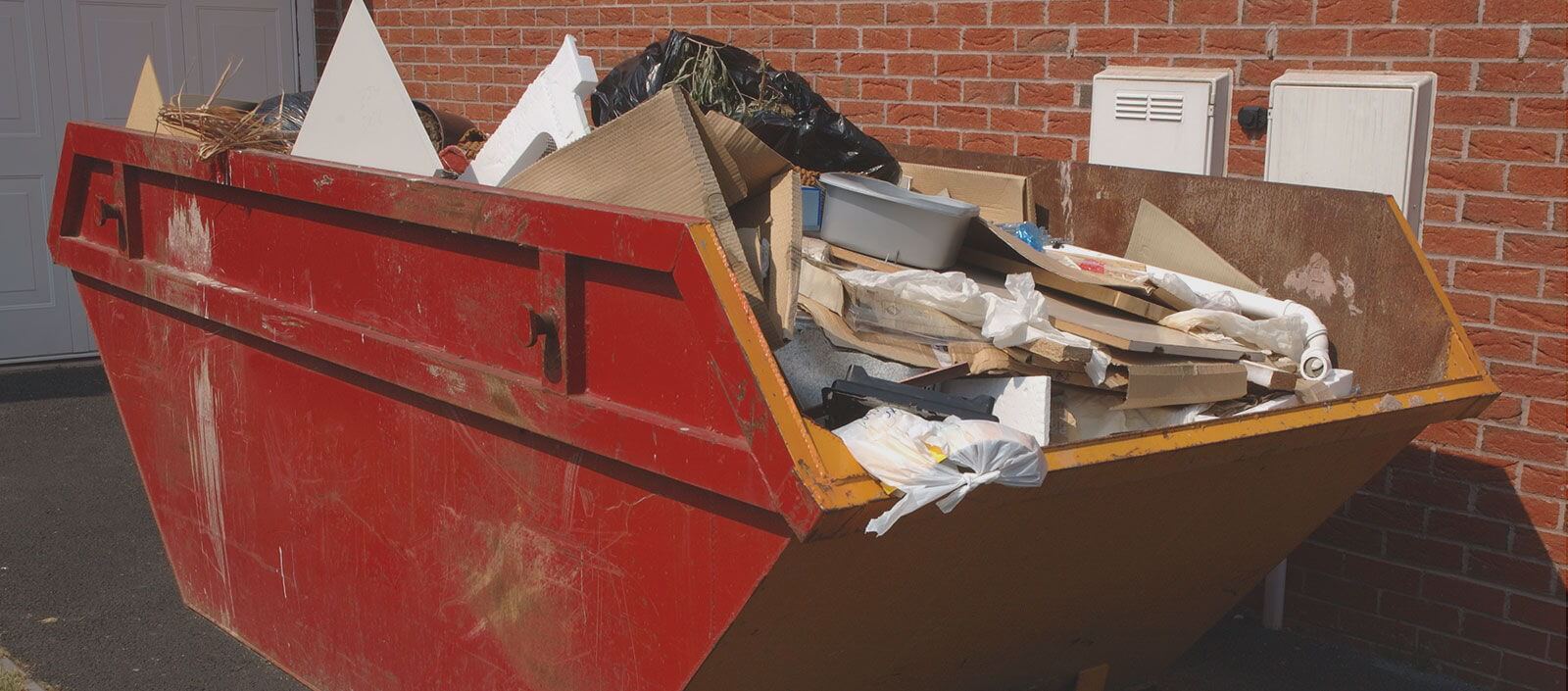
Eco friendly waste disposal Elephant and Castle recycling guide
Posted on 06/08/2026

If you are trying to clear clutter without creating more waste than necessary, you are in the right place. An Eco friendly waste disposal Elephant and Castle recycling guide should do more than tell you where to put things. It should help you sort items properly, understand what can be reused, and choose the least wasteful route for furniture, appliances, garden cuttings, office junk, and everyday rubbish. In a busy London area like Elephant and Castle, that matters more than people think.
Truth be told, most waste problems do not start with the collection itself. They start with the sorting, the rush, and the "I'll deal with it later" pile in the hallway. This guide walks you through the practical side of doing things properly: what eco-friendly disposal actually means, how recycling decisions are made, what to avoid, and how to make a cleaner choice that fits real life.
Along the way, you will also find sensible links to helpful pages on services, sustainability, compliance, and related clearances so you can explore the next step when you need it.
Why Eco friendly waste disposal Elephant and Castle recycling guide Matters
Eco-friendly waste disposal is not just a nice label. It is a way of reducing landfill, keeping reusable items in circulation, and making sure recyclable materials actually get separated instead of mixed into general rubbish. In a dense urban area like Elephant and Castle, where flats, commercial units, refurbishments, and shared buildings often generate mixed waste, the difference between "just getting rid of it" and disposing of it responsibly is huge.
You will notice this especially when moving out, renovating, clearing a loft, or replacing bulky household items. One collection can contain timber, metal, textiles, cardboard, electricals, garden waste, and broken furniture all at once. If nobody sorts it carefully, recyclable material becomes expensive general waste. Not ideal. Not clever either.
There is also the practical side. Better sorting often means better recovery, and better recovery means less unnecessary disposal. That can support lower environmental impact and, in some cases, a more efficient service overall. For local households and businesses, it also builds better habits. And those habits stick.
If you want to understand the wider service landscape first, the services overview is a useful place to start. For sustainability-focused reading, the page on recycling and sustainability is also relevant.
How Eco friendly waste disposal Elephant and Castle recycling guide Works
At its simplest, eco-friendly waste disposal follows a few clear stages: identify the waste, separate what can be reused or recycled, remove anything hazardous or specialist, and send each material down the right route. Sounds straightforward. In practice, mixed waste creates the challenge.
Here is the usual flow:
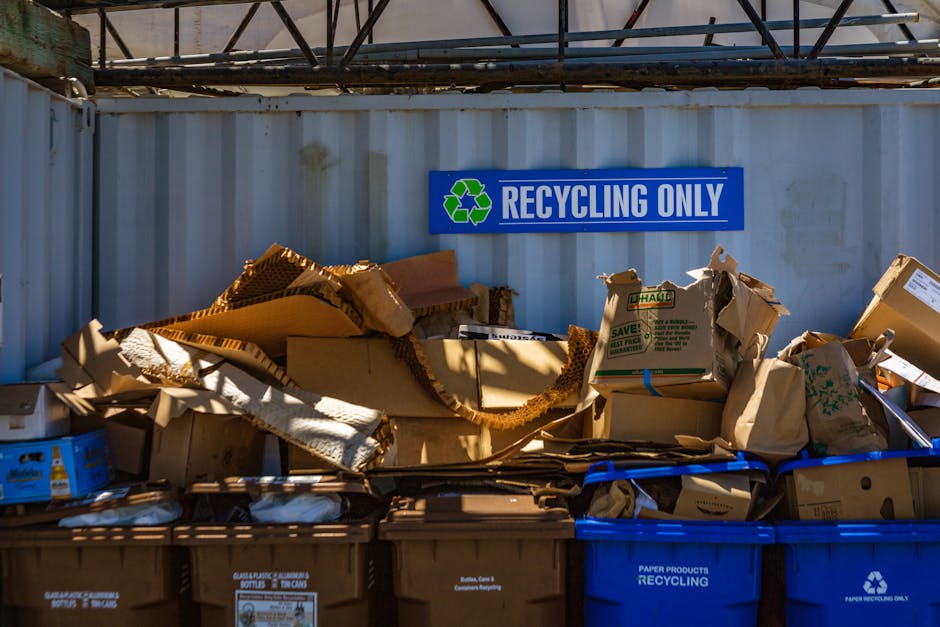
- Sort the waste at source. Separate cardboard, metals, wood, green waste, electrical items, furniture, and general rubbish where possible.
- Identify reusable items. Items that still work, or can be repaired, should not automatically become waste.
- Keep specialist waste separate. Electricals, appliances, paint, batteries, and some construction materials need more careful handling.
- Load efficiently. Proper loading can improve transport efficiency and reduce unnecessary trips.
- Route materials correctly. Recyclables go for processing, reusable goods may be diverted, and residual waste is disposed of appropriately.
The small detail many people miss is contamination. A clean cardboard box can usually be far more useful than a box soaked in food or mixed with food waste. The same goes for textiles, metal, and wood. One damp bag can spoil a lot more than you expect.
That is why responsible disposal is not only about collection day. It starts before the van arrives. If you are clearing a home or office, a bit of pre-sorting saves time and makes better outcomes more likely. A little effort here saves a lot of mess later. Simple, really.
For larger clearances, you may also want to look at house clearance in Elephant and Castle, office clearance, or loft clearance depending on the job.
Key Benefits and Practical Advantages
The benefits of eco-friendly disposal go beyond "being green". They are practical, immediate, and often easier to feel than to measure.
- Less waste going to landfill. More materials are recovered, reused, or recycled.
- Cleaner disposal habits. Sorting waste properly makes future clear-outs less stressful.
- Better use of bulky items. Furniture, appliances, and fixtures may be suitable for reuse or specialised recycling.
- Reduced clutter during renovations. Clearer spaces are easier to work in and safer to move around.
- Improved compliance. Responsible handling helps households and businesses avoid sloppy disposal choices.
- More confidence in the process. You know where things are going and why.
There is also a less obvious benefit: better waste habits make future decisions easier. Once you know what can be recycled, what can be reused, and what needs specialist treatment, you stop guessing. That alone takes a surprising amount of stress out of the process.
For businesses, the benefits can be even more practical. Office clear-outs, shop refits, and commercial moves often create mixed waste streams. Choosing the right disposal route can save time and reduce disruption. If your premises are producing regular waste, commercial waste removal in Elephant and Castle may be the more structured option.
And if you are dealing with old sofas, wardrobes, or desk units, furniture disposal and furniture removal can be a cleaner fit than trying to move everything yourself.
Who This Is For and When It Makes Sense
This guide is useful for a lot of people, not just those on a full declutter mission.
- Homeowners clearing clutter, replacing furniture, or finishing a renovation.
- Renters moving out and trying to leave a property tidy without leaving a mountain of waste behind.
- Landlords and managing agents dealing with end-of-tenancy clearances.
- Local businesses handling packaging, office furniture, appliances, or refurbishment waste.
- Builders and tradespeople who need mixed construction waste removed carefully.
- Gardeners and keen home improvers with pruning waste, soil, branches, and old pots.
It makes sense whenever the waste stream is more than a single bin bag. That could mean a sofa that no longer fits the room, a broken fridge, a stack of boxes from an office move, or a garden shed full of odds and ends that somehow multiply over winter. You know the sort of thing.
If you are focused on local domestic rubbish, domestic waste collection in Elephant and Castle may be a better match. For one-off larger jobs, rubbish collection and waste removal are useful starting points.
Step-by-Step Guidance
Here is a clear way to approach eco-friendly waste disposal without overcomplicating it.
1. Separate the waste into sensible groups
Start by creating piles for recyclables, reusable items, general waste, and anything hazardous or specialist. In a real flat, this may mean cardboard in one corner, old clothes in another, and a bag for electricals by the door. Not glamorous, but it works.
2. Pull out reusable items first
If a chair still has life in it, or a table could be repaired, do not rush it into disposal. Reuse is usually better than recycling, and recycling is usually better than disposal. That order matters.
3. Check what needs specialist handling
Appliances, white goods, old electronics, and some building materials need extra care. These items may contain components that should not be mixed into ordinary rubbish. If you are handling a fridge, washing machine, or microwave, white goods and appliance disposal is the kind of service that helps keep the process sensible.
4. Keep recyclables clean and dry where possible
Dry cardboard, clean metal, and separated wood are much easier to process than mixed, damp, or contaminated waste. If you have time, flatten boxes and remove obvious non-recyclable parts before collection.
5. Book the right collection type
Not every job needs the same approach. A garden tidy-up is different from an office strip-out, and a loft clearance is very different from getting rid of a single broken wardrobe. Matching the service to the job improves efficiency and usually reduces mess.
6. Ask about the disposal route
If you are using a waste carrier, it is fair to ask what happens to the material afterwards. Reuse, recycling, and responsible disposal are not the same thing, and the difference matters.
7. Keep a record for business waste
Businesses should be especially careful about what leaves the site, who collected it, and where it was meant to go. It is simply better practice. No drama, just good housekeeping.
If you are planning a larger project, builders waste disposal in Elephant and Castle is relevant for renovation debris, while garden waste removal suits branches, cuttings, and outdoor clear-outs.
Expert Tips for Better Results
Here are the small adjustments that make a big difference in practice.
- Set up a sorting corner before collection day. Two or three labelled bags are better than one giant mystery heap.
- Keep electricals together. Old chargers, cables, and devices tend to get lost in general clutter.
- Break down bulky packaging. It saves space and makes loading easier.
- Don't mix food waste with recyclables. A single greasy container can cause avoidable contamination.
- Photograph larger items before booking. It helps with accurate planning and expectations.
- Think in "routes", not just "bins". Reuse, recycle, recover, then dispose. That order is a useful habit.
One slightly old-fashioned but useful tip: keep a box for "good stuff" that someone else might want. A lamp, shelf, or side table does not always belong in waste simply because you no longer want it. A lot of people forget that. Then they regret it after the van has gone.
It also helps to compare your needs against the service page options. The services overview can help you narrow down the right category without second-guessing every item.
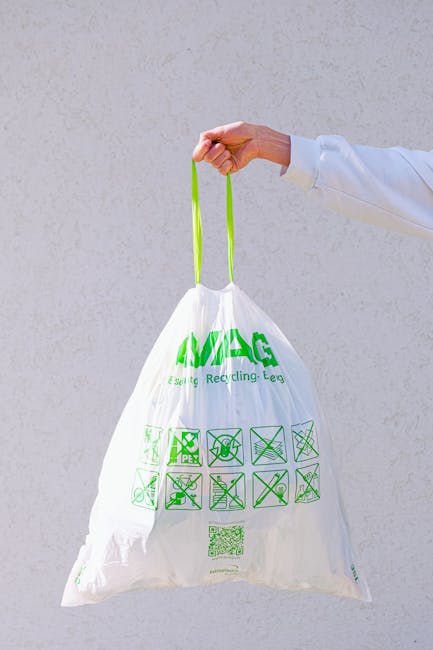
Common Mistakes to Avoid
Most waste-disposal mistakes are avoidable. The annoying part is that they are usually made when people are in a hurry.
- Mixing all waste together. This is the quickest way to lose recycling opportunities.
- Assuming everything can go in one load. Some items need special handling, especially electricals and bulky white goods.
- Leaving sorting until collection day. That is how good intentions turn into chaos.
- Ignoring access issues. Stairwells, narrow hallways, and parking can affect the collection plan.
- Forgetting business documentation. Commercial waste should be handled with more structure than domestic clutter.
- Choosing the cheapest option without checking the process. Low price alone is not a strategy.
A very common one is overfilling bags with mixed materials and then hoping somebody else will sort it. Let's be honest, that is usually where the trouble starts. A better approach is to slow down for ten minutes and separate what you can. It pays off.
If you have ever made a clearance mistake before, you may find this article useful too: avoid common rubbish removal mistakes in Elephant and Castle. It pairs neatly with this guide.
Tools, Resources and Recommendations
You do not need a warehouse full of equipment to manage waste responsibly. A few practical tools are enough.
- Strong reusable bags or boxes for separated waste.
- Marker pens and labels to mark recyclable, reuse, and general waste piles.
- Basic gloves for sharp or dusty items.
- A tape measure for bulky furniture or appliance planning.
- Phone camera to document items before collection or for internal records.
- Calendar reminders so sorting starts before the van arrives, not during the last ten minutes.
For local readers who want more background on responsible waste handling, the site's recycling and sustainability page is worth reading alongside the service pages. If you are comparing costs or trying to plan a budget, the pricing and quotes page may help you understand what to expect.
For payment reassurance, you can also review payment and security. That may sound boring, but boring is good when money is involved.
Law, Compliance, Standards, or Best Practice
When waste is collected professionally, the handling should follow recognised UK waste-management expectations. The exact requirements can vary depending on the waste type, whether it is domestic or commercial, and how hazardous the material is. So it is wise to be careful here rather than making assumptions.
A few principles are broadly sensible:
- Use a properly authorised waste carrier. That helps reduce the risk of fly-tipping or poor disposal.
- Keep duty-of-care records where applicable. This matters more for businesses, landlords, and managing agents.
- Separate specialist waste. Electrical items, appliances, and some construction waste should not be handled casually.
- Ask questions when unsure. If an item feels unusual, check before it goes in the load.
Best practice is not just about avoiding problems. It is about being able to explain what happened to the waste after it left the property. That sounds formal, but it is really just responsible behaviour. If you want more reassurance about company standards, the page on waste carrier licence and compliance is useful.
And if safety is on your mind during a clearance, especially with heavier objects or awkward access, the insurance and safety information is worth a look too.
Options, Methods, or Comparison Table
Choosing the right disposal method depends on the item type, urgency, and how much sorting you are willing to do yourself. Here is a simple comparison.
| Method | Best for | Eco value | Convenience | Notes |
|---|---|---|---|---|
| Reuse or donation | Usable furniture, decor, and household goods | Very high | Medium | Best when items still have life left in them |
| Self-sorted recycling | Cardboard, metals, clean wood, textiles, and some packaging | High | Medium | Works well if you have time and space |
| Specialist appliance disposal | Fridges, washing machines, ovens, and other electricals | High | High | Helps keep components handled properly |
| Full waste removal service | Mixed loads, clear-outs, renovations, and time-sensitive jobs | Medium to high | Very high | Good when the job is too big for a normal bin routine |
| General rubbish collection | Mixed household rubbish and smaller clearances | Medium | High | Useful when you need a quick and tidy solution |
For many people, the best choice is not one method alone. It is a mix. Reuse what you can, recycle the clean material, and use a professional collection for the rest. That balanced approach usually gives the best outcome with the least faff.
Case Study or Real-World Example
Here is a realistic local scenario. A two-bedroom flat near Elephant and Castle gets cleared after a move. The owners have old shelves, a broken chest of drawers, two small appliances, flattened cardboard, some clothing, and a bag of mixed bits from cupboards that nobody wants to identify too closely. Very normal, honestly.
The sensible route is to separate the items before collection: cardboard and packaging together, electricals together, reusable clothing in a separate bag, and furniture grouped for lifting. The broken furniture is assessed for material recovery, the appliances are handled as specialist items, and the usable clothing is kept out of the waste stream entirely.
The result? Less mixed waste, cleaner loading, and a better chance that recyclable materials are directed correctly. It also means the flat can be cleared faster, which matters when keys need to be handed over by 3 p.m. and the corridor already looks like a small furniture shop exploded. We have all seen that kind of day.
The same thinking applies to offices. A small team clearing desks and filing cabinets can separate paper, metal, electronics, and old furniture rather than throwing everything into one pile. If your situation is commercial, the office clearance page may be the more relevant route.
Practical Checklist
Use this before your next clearance or recycling job.
- Have I separated reusable items from waste?
- Have I grouped cardboard, metals, wood, clothing, and general rubbish separately where possible?
- Have I identified any appliances, electricals, or specialist items?
- Do I know which items are too bulky for the usual bin routine?
- Have I checked access, parking, stairs, and lift space?
- Have I taken photos of larger items if needed?
- Do I need a domestic, commercial, or specialist collection?
- Have I looked at any relevant service pages before booking?
- Have I kept business paperwork or internal records where applicable?
- Have I removed food residue, liquids, or contamination from recyclable items where practical?
If you can tick most of those off, you are already ahead of the average clear-out. That is the honest truth.
Get a free quote today and see how much you can save.
Conclusion
A good eco-friendly disposal plan is not complicated, but it does need a bit of thought. The main idea is simple: reuse what you can, recycle what belongs in recycling, separate specialist items, and choose a responsible collection method for the rest. In Elephant and Castle, where homes, offices, and building projects can produce mixed waste quickly, that approach is both practical and sensible.
If you take one thing from this guide, let it be this: sorting waste before collection changes the outcome more than most people expect. It reduces contamination, supports better recycling, and makes the whole job feel less rushed. And yes, it can even make the day slightly less annoying. Which is saying something.
For a calm, organised next step, explore the relevant service pages, compare your options carefully, and choose the route that fits the material in front of you rather than the quickest guess.
Good waste habits are small things, but they add up. And in a place like Elephant and Castle, small improvements really do matter.