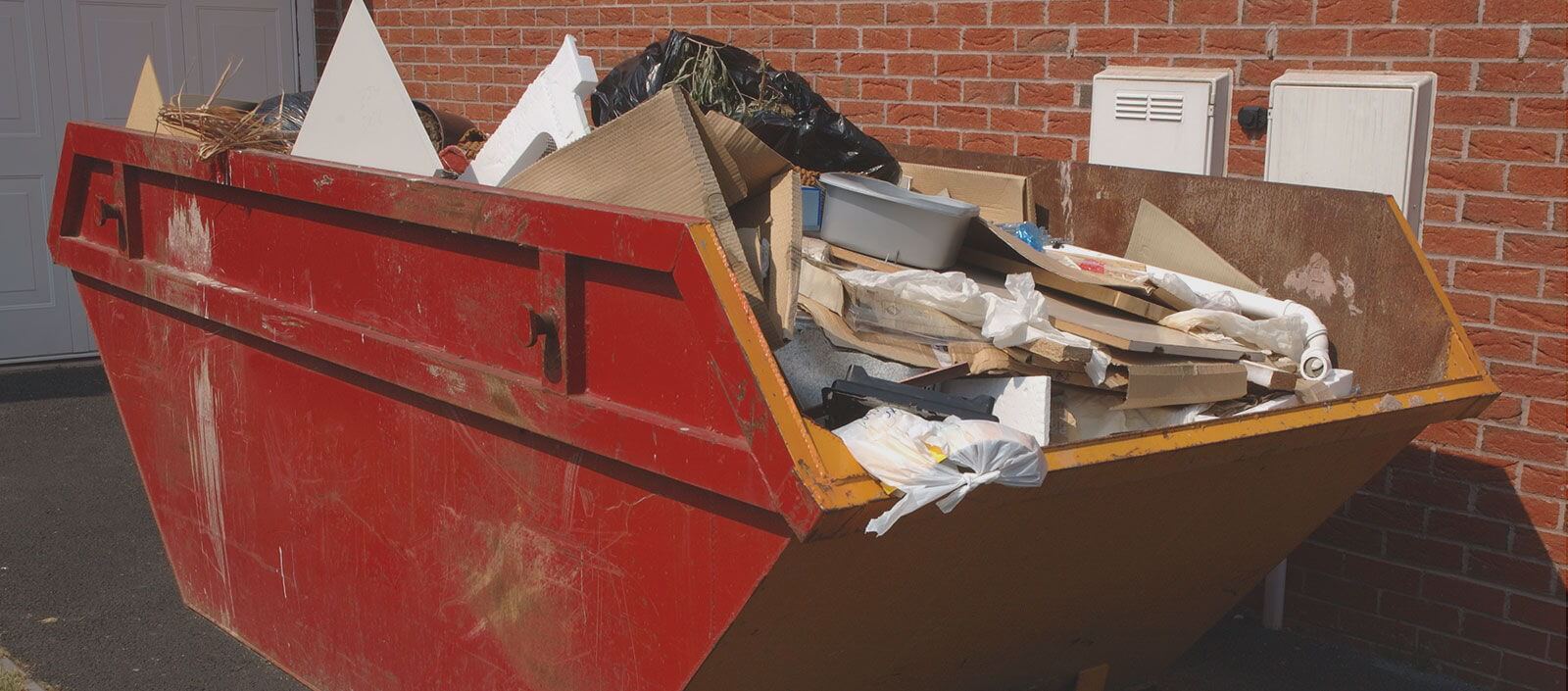
Heygate Estate house clearance case study rubbish removal
Posted on 24/08/2026
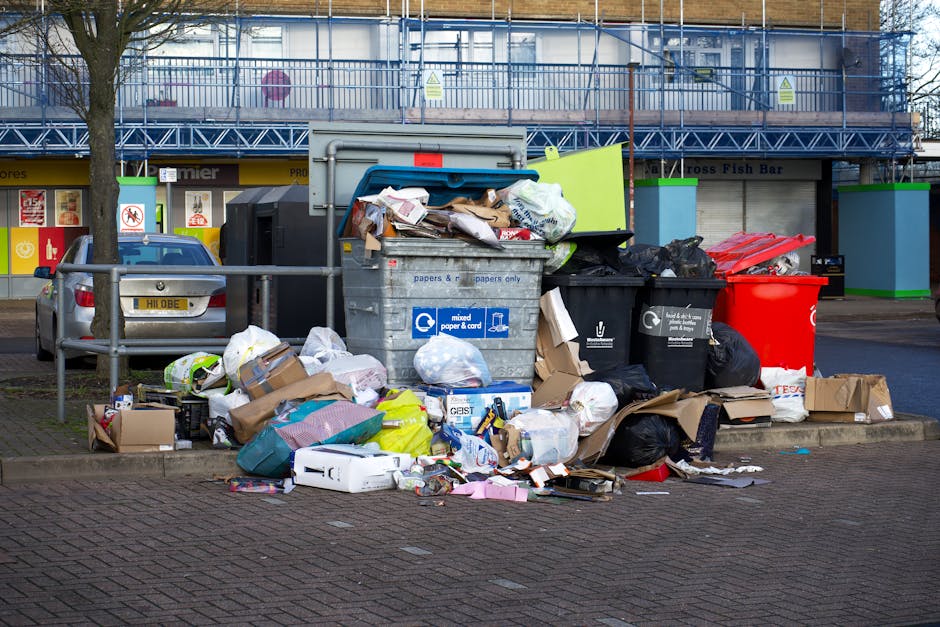
Heygate Estate House Clearance Case Study Rubbish Removal
If you are dealing with a flat full of unwanted furniture, mixed junk, or the aftermath of a move-out near the Heygate Estate site, you already know this is not a "leave it for later" sort of job. Heygate Estate house clearance case study rubbish removal is really about solving a practical problem quickly, safely, and without turning your week upside down. In this guide, we break down how a real clearance project is typically handled, what matters most on the ground, and where people often trip up. Because let's face it, rubbish removal sounds simple until you're standing in a hallway with a sofa that won't fit, a broken wardrobe, and no lift working.
This article is written to help homeowners, landlords, tenants, letting agents, and property managers make better decisions about house clearance in Elephant and Castle. You'll see how a clearance job is planned, what good rubbish removal looks like, and how to keep things efficient, compliant, and as stress-free as possible.
Why Heygate Estate house clearance case study rubbish removal Matters
The Heygate Estate area has its own practical realities. Access can be tight. Parking may be limited. Some properties are in blocks where lifts, stairwells, loading bays, and time windows all affect the job. A clearance that looks straightforward in photos can become messy very quickly once you start moving bulky items out of a high-rise flat or shared entrance.
That is why a case-study approach helps. Rather than thinking about rubbish removal as one generic service, you look at the actual conditions: what needs removing, how it gets out, where it goes next, and how quickly the property must be handed back. In an estate setting, timing matters. So does discretion. And so does keeping neighbours, concierge teams, and building rules in mind.
From a search perspective, people looking for Heygate Estate house clearance case study rubbish removal usually want one of three things: proof that the job can be done properly, confidence that the process is manageable, and a sense of the likely costs and effort involved. That is a fair ask. Nobody wants vague promises when there is a lease-end deadline hanging over them.
There is also a wider reason this topic matters in Elephant and Castle. The area has a mix of long-standing residents, new arrivals, investors, and short-term tenants. That means clearance jobs often happen during moves, refurbishments, probate arrangements, or end-of-tenancy turnaround. If you're making decisions around a property in the area, our guides on Elephant and Castle property investments and strategic property investment in Elephant and Castle give useful local context too.
A well-run house clearance is not just about taking things away. It is about restoring order, keeping the property usable, and avoiding last-minute stress.
How Heygate Estate house clearance case study rubbish removal Works
A proper clearance starts before a single item is lifted. First comes assessment: what's in the property, how much space you have, what access route is available, and whether any items need special handling. Sofas, mattresses, white goods, mixed household junk, broken furniture, and bagged waste all need different handling. Not in a dramatic way, just in a sensible one.
Next comes sorting. Reusable items may be separated from general rubbish. Recyclable materials should be identified where possible. Electrical items need the right treatment. If there are heavy or awkward pieces, the removal team may plan a two-person lift or a staged carry-out to avoid damage to walls and shared areas. A rushed clearance can scratch lifts, mark paintwork, and annoy building management. Nobody needs that.
Then there is the actual load-out. In estate jobs, this usually means working around narrow corridors, time restrictions, and possible wait times for lifts. Good planning reduces disruption. After that, waste is transported to the appropriate facility or transfer point, where sorting and disposal continue under normal UK waste handling expectations. If sustainability matters to you, it should, a reputable operator will prioritise reuse and recycling where practical. You can read more about those habits in the site's recycling and sustainability guidance.
For customers who want a broader view of the types of jobs available, the services overview is a sensible starting point. And if the clearance is mainly domestic, the most relevant service is often house clearance in Elephant and Castle.
Key Benefits and Practical Advantages
The main benefit is obvious: you get your space back. But the real value is bigger than that. A managed clearance removes the friction that usually builds up around a property emptying job. You stop the clutter from blocking the next step, whether that is cleaning, decorating, re-letting, selling, or simply breathing again.
Here are the advantages that matter most in a Heygate Estate context:
- Faster turnaround for move-outs, refurbishments, and end-of-tenancy handovers.
- Less physical strain because bulky lifting is handled properly.
- Reduced risk of damage to walls, lifts, and communal areas.
- More predictable scheduling when access is tight and time windows matter.
- Better waste segregation when recyclable and reusable items are sorted correctly.
- Cleaner presentation for landlords, agents, and incoming occupants.
There is also a financial angle, though it should be looked at carefully. A coordinated clearance often costs less than piecing together several smaller disposal trips, especially when you factor in time, parking, and the sheer inconvenience of doing it yourself. For pricing clarity, it helps to check the provider's pricing and quotes information before you book.
And yes, it can feel emotionally lighter too. That sounds a bit soft, maybe, but anyone who has cleared a flat after a long tenancy or family change knows the feeling. One minute it is stacked with old furniture and oddments, the next it is just a room again.
Who This Is For and When It Makes Sense
This kind of clearance makes sense for a wide mix of people. If you live in or manage a property around Heygate Estate, you may need rubbish removal for different reasons at different times. Truth be told, these jobs rarely arrive at the perfect moment.
- Tenants clearing a flat before the end of a tenancy.
- Landlords preparing a unit for new occupants.
- Letting agents handling tight handover deadlines.
- Homeowners dealing with years of accumulated household items.
- Families managing probate or downsizing arrangements.
- Property investors wanting a quick reset before refurbishment or sale.
It also makes sense when the waste is mixed and awkward: one broken wardrobe, some old shelves, a bed frame, a fridge, a few black bags, and a pile of miscellaneous bits that never quite made it to the tip. That is exactly the sort of job where a professional service is easier than trying to solve it with a borrowed van and a long weekend.
If the load is mainly furniture, the specialised furniture removal and furniture disposal options may be more appropriate. For households with bulky appliances, the white goods and appliance disposal service is often the right fit.
And if the job is more of a mixed domestic load than a full empty-out, domestic waste collection or rubbish collection may be enough. Simple, really.
Step-by-Step Guidance
Here is a practical way to approach a Heygate Estate clearance without making life harder than it needs to be.
- Walk through the property and identify everything that needs to go. Separate furniture, electricals, bagged waste, and anything you may want to keep.
- Check access details. Is there a lift? Any stair-only sections? Are there loading restrictions or building rules? These small details matter more than people expect.
- Take measurements if needed. Large wardrobes, corner sofas, and appliance sizes can affect the removal plan.
- Decide what needs special handling. Items like fridges, freezers, and some electricals should not just be treated as general rubbish.
- Request a clear quote based on the actual volume and access conditions. Photos help, but a short description is useful too.
- Prepare the property. Clear hallways where possible, remove valuables, and make sure pets and children are kept away from the work area.
- On the day, confirm the plan. A quick check before loading starts avoids confusion later.
- Inspect the space afterwards. Make sure the agreed items are gone and the area is left tidy.
If you want to avoid the classic "where did all this stuff come from?" moment, the article on common rubbish removal mistakes in Elephant and Castle is worth a look.
And for jobs that need very fast response near transport hubs or between viewings, the same-day approach discussed in rubbish removal near Elephant and Castle Station can be helpful background.
Expert Tips for Better Results
In our experience, the smoothest clearance jobs have a few things in common. Nothing fancy. Just solid planning and a decent eye for detail.
- Sort before the team arrives if you can. Even a rough divide between keep, donate, and remove makes a difference.
- Put fragile items aside so they do not get mixed with heavier waste.
- Be honest about volume. Underestimating the amount of rubbish is one of the fastest ways to create delays.
- Ask about access challenges up front. A lift delay or parking issue is much easier to plan around than to discover on arrival.
- Keep clear instructions ready if there are items that must stay behind.
- Use local context. If the flat sits on a busier road or near a busy junction, timing the collection matters.
A small practical note: if you are clearing a property after a long occupancy, expect odd items to turn up in cupboards, under beds, and behind wardrobes. It happens every time. A torch helps. So does patience.
Also, don't overlook customer communication. If you are a landlord or agent, a quick message to the occupier about what will happen and when can prevent avoidable friction. That tiny bit of coordination can save a lot of back-and-forth.

Common Mistakes to Avoid
Many clearance jobs go wrong for predictable reasons. The good news is that they are avoidable once you know what to watch for.
- Booking too late and leaving no room for access issues or rescheduling.
- Not checking building rules, which can cause delays at the entrance or in loading areas.
- Mixing reusable items with rubbish, which makes sorting slower and less efficient.
- Forgetting appliance or heavy-item handling until the last minute.
- Assuming every item can go together without proper segregation.
- Choosing a provider on price alone and ignoring safety, compliance, and reliability.
One of the sneakiest mistakes is underestimating how emotionally tiring clearance can be. A property might only take a few hours to empty, but the decision-making before and after is what wears people down. That is why a clear plan matters just as much as muscle.
If you are trying to keep costs under control, the article on cheap rubbish collection on Walworth Road is a useful reminder that low-cost does not have to mean unclear or sloppy.
Tools, Resources and Recommendations
You do not need a lot of equipment to manage a clearance well, but a few simple tools can make the day much easier.
- Phone camera for documenting items and getting an accurate quote.
- Labels or tape for marking keep, remove, or donate piles.
- Gloves if you are moving small items yourself before collection.
- Torch for cupboards, loft corners, or storage voids.
- Basic measuring tape for large furniture and awkward access points.
- Bin bags and boxes if you are organising loose waste before removal.
On the website, a few pages are especially useful before booking:
- About us for a sense of who is behind the service.
- waste carrier licence and compliance for peace of mind about responsible handling.
- insurance and safety for practical reassurance around the work itself.
- payment and security if you want to understand how booking and payment are handled.
That last one matters more than people think. When you are arranging a clearance under pressure, knowing how payment works removes one more small worry. Small worries add up, especially on moving day.
Law, Compliance, Standards, or Best Practice
Clearance and rubbish removal are practical jobs, but they still sit inside a wider framework of UK waste handling expectations. In plain English: waste should be collected, transported, and processed by a responsible operator that can show appropriate compliance and good practice. You do not need to become an expert in the law, but you do want to avoid handing waste to someone who looks cheap and turns out to be careless.
For property owners and managers, there is also a common-sense duty to avoid fly-tipping risks, nuisance in shared areas, and avoidable damage to communal spaces. In estate environments, that means making sure access rules are respected and items are not left in corridors, lifts, or fire routes.
Best practice usually includes:
- clear pre-job descriptions
- proper item sorting where possible
- careful handling of electricals and heavy furniture
- respect for building access and shared areas
- use of a reputable waste carrier
- responsible disposal and recycling where practical
If you are comparing providers, compliance should not be a box-ticking afterthought. It is part of the job. The same applies to sustainability. For many customers, the right question is not just "Can you remove it?" but "Will you remove it properly?"
For readers who want a broader overview of the company's standards, the pages on terms and conditions, privacy policy, and cookie policy are also available, though most people simply want the job done cleanly and without fuss.
Options, Methods, or Comparison Table
Different jobs call for different approaches. A quick comparison helps you decide what is most sensible.
| Method | Best for | Pros | Watch-outs |
|---|---|---|---|
| DIY clearance | Small loads and easy access | Full control, can be low cost if you already have transport | Time-consuming, heavy lifting, parking and disposal hassle |
| Rubbish collection | Mixed household waste or lighter loads | Fast, convenient, no need to hire a van | Less suited to full property clearances with bulky furniture |
| House clearance | Full or partial property emptying | Better for bulky items, more organised, less stress | Needs accurate job description and good access planning |
| Specialist disposal | Furniture, white goods, garden waste, builders waste | Better handling of specific waste streams | May need more than one service if the load is mixed |
For jobs that include renovation debris rather than household clutter, the relevant option may be builders waste disposal. If the space is an office or workspace rather than a home, office clearance may be more appropriate. And for outdoor waste, garden waste removal is the cleaner route.
Case Study or Real-World Example
Here is a realistic example based on the kind of work commonly carried out around Elephant and Castle.
A two-bedroom flat near the Heygate Estate area needed clearing before a new tenancy started. The property contained a broken wardrobe, a sofa, a dining table, several bagged items, an old mattress, a small fridge, and loose bits from cupboards that had built up over time. The occupants had already moved out, so the deadline was tight. The agent wanted the flat cleared, swept through, and ready for cleaners the same day.
The first step was a photo-based assessment. That gave a rough idea of volume and highlighted that the fridge and sofa would be the hardest items to move through the building. The team then planned the order of removal so the largest items left first, before the smaller mixed waste. That sounds obvious, but in a narrow hallway it saves a lot of faffing about.
Access was the main challenge. The lift was shared, the entrance had limited space, and there was a short loading window. The solution was simple: arrive prepared, work efficiently, and keep the route clear. The job was completed without blocking communal areas, and the flat was left in a better state for cleaning and inspection.
What made the difference? Three things: accurate description, realistic scheduling, and a team that understood estate logistics. No magic. Just good process. If the property had included more general mixed waste than furniture, the follow-on waste removal route would still have worked, but the key was matching the service to the actual load.
That is the lesson from this kind of case study. The best clearance outcome is usually not the flashiest one. It is the one that finishes on time, avoids damage, and leaves everyone less stressed than before.
Practical Checklist
Use this checklist before booking or on the morning of the clearance.
- Confirm exactly what needs removing.
- Separate keep, donate, recycle, and remove piles.
- Take clear photos of larger items and the access route.
- Check lift availability, parking, and any building restrictions.
- Remove valuables, documents, and personal items first.
- Flag any heavy appliances or unusually bulky furniture.
- Tell the team about stair-only access or tight turns.
- Make sure hallways and exits are not blocked.
- Ask how the waste will be handled after collection.
- Confirm the final scope before the work begins.
Quick takeaway: the better your prep, the smoother the clearance. It really is that simple. Not easy, always, but simple.
Conclusion
Heygate Estate house clearance case study rubbish removal is not just a niche search term. It describes a very real set of challenges that show up in estate-based London properties: access issues, time pressure, mixed waste, bulky furniture, and the need to leave a home or flat tidy and ready for the next step. The good news is that, with the right process, it is completely manageable.
Whether you are a tenant racing a move-out deadline, a landlord trying to reset a flat, or a family dealing with a bigger life transition, the main thing is to keep the job organised. Plan the access. Be honest about the load. Choose the right service. And do not leave the tricky parts until the last minute.
If you are still weighing up the next step, start with the practical details: what you need removed, how quickly it must happen, and which service best matches the job. Everything becomes clearer from there.
Get a free quote today and see how much you can save.
And if the day feels a bit overwhelming, that is normal. A good clearance takes a burden off your shoulders, one van load at a time.