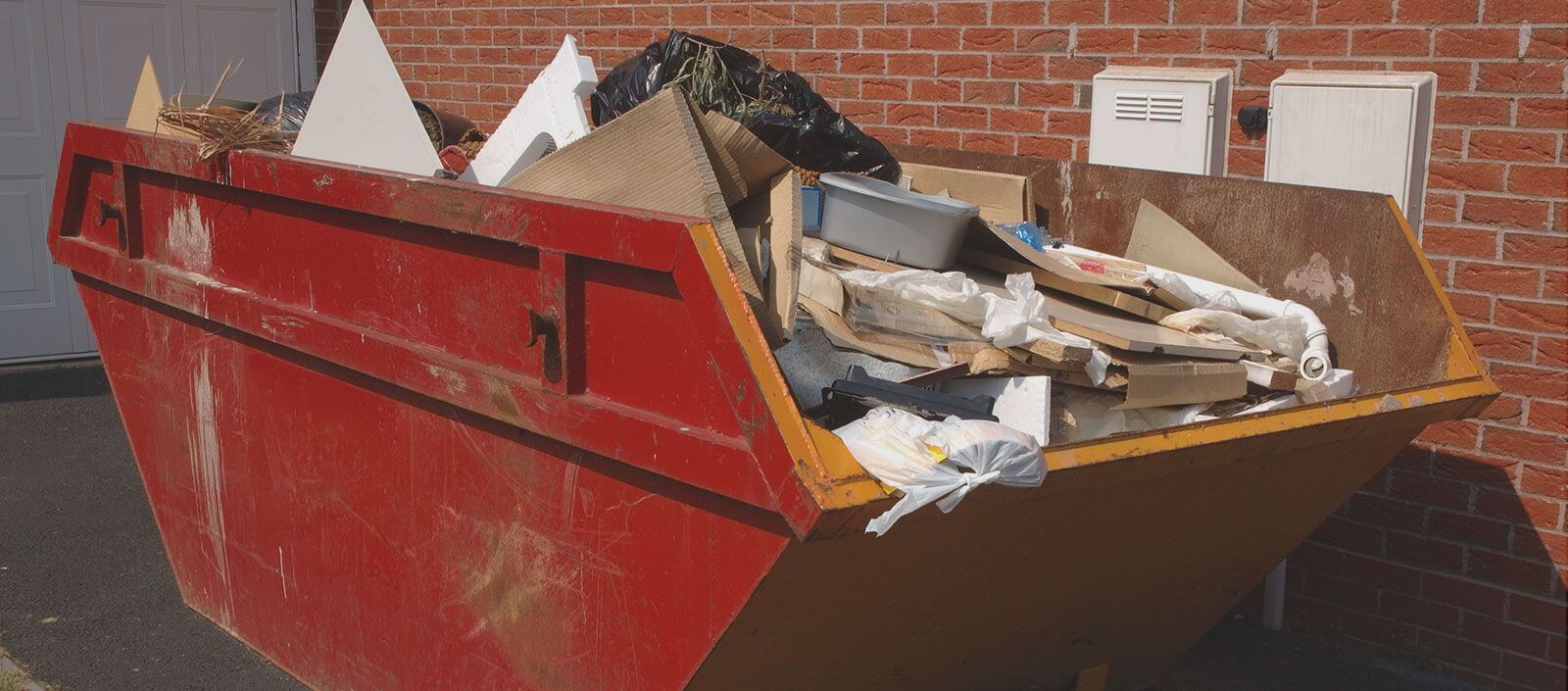
What to know about Southwark Council bulky waste rules
Posted on 17/10/2026
If you live in Southwark and you have an old sofa in the hallway, a broken wardrobe in the spare room, or a washing machine that has finally given up, bulky waste can become one of those jobs you keep putting off. Then suddenly it is Monday morning, the item is still there, and the flat feels about two sizes smaller. That is exactly why it helps to understand What to know about Southwark Council bulky waste rules before you book anything or drag heavy furniture to the kerb.
This guide breaks the process down in plain English. You will learn how bulky waste collection usually works, what tends to be accepted, what gets rejected, how to avoid delays, and when a private clearance service may make more sense. Along the way, we will keep it practical. No fluff, no mystery. Just the kind of advice that saves time, money, and a bit of frustration on a damp London afternoon.
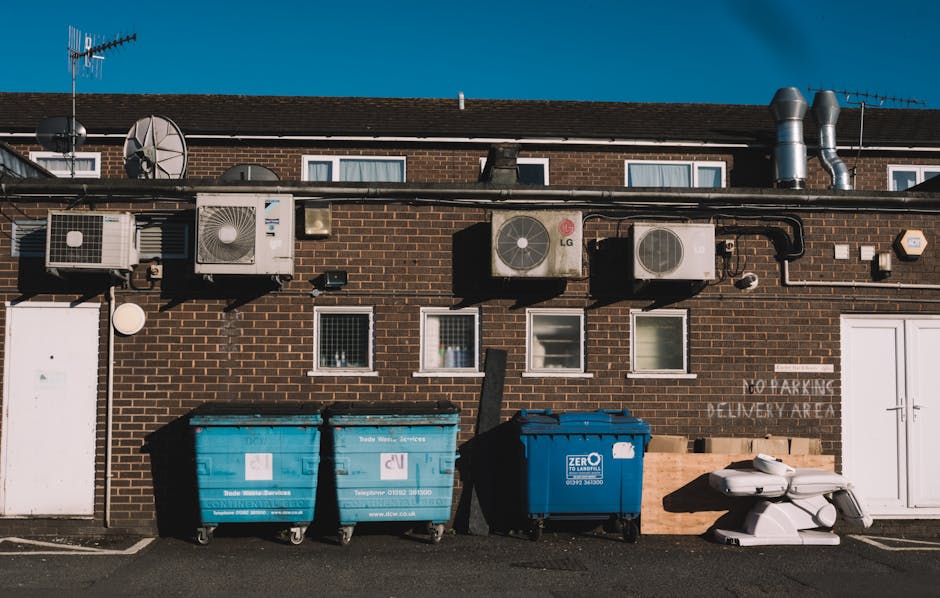
Why What to know about Southwark Council bulky waste rules Matters
Bulky waste rules matter because they affect more than convenience. They affect whether your item is collected, whether you avoid fly-tipping risks, and whether you end up paying twice because something was not prepared properly. In a busy borough like Southwark, that is not a small thing.
Many people assume bulky waste means "anything big and household-related." In practice, councils usually apply specific conditions around item type, access, booking, and presentation. Miss one detail and the collection can be delayed or refused. That is annoying at best and costly at worst. Let's face it, nobody wants a mattress leaning against the wall for another week because the booking note was unclear.
It also matters if you are moving out, clearing a property, or upgrading furniture in one go. A single item is straightforward. A whole flat's worth of clutter is a different story. If you are doing a bigger clear-out, it can help to compare council collections with broader options such as house clearance in Elephant and Castle or waste removal services, especially when timing is tight.
Expert summary: The council route is often best for one-off household items when you can plan ahead. For mixed loads, awkward access, or urgent clear-outs, a private collection can be the more efficient option. Simple enough, but worth weighing up properly.
How What to know about Southwark Council bulky waste rules Works
Although collection procedures can change over time, the basic logic is usually the same: you book a collection, the council tells you what can be taken, you prepare the items correctly, and the crew collects them on the agreed day. The exact item limits, fees, and availability depend on current council arrangements, so checking the live rules before booking is the sensible move.
Most bulky waste systems are built around household items that are too large for normal bins. Common examples often include furniture, mattresses, small appliances, and similar domestic goods. Items containing hazardous components, loose construction waste, or contaminated materials are often excluded. A cracked chest of drawers? Usually fine. A pile of rubble from a DIY project? Usually not.
The practical side is where things usually go wrong. You may need to place items outside by a certain time. You may need to remove doors, empty drawers, or separate mixed materials. And yes, access matters. A collection team cannot always carry something through a narrow stairwell if it cannot be safely handled. If access is awkward, a service such as rubbish collection in Elephant and Castle may be easier to coordinate than a standard council pickup.
If you are dealing with a mix of furniture and appliances, a specific service such as furniture removal or white goods and appliance disposal can make more sense than trying to force everything into one bulky waste booking.
Key Benefits and Practical Advantages
Understanding the rules gives you a few very real advantages. First, you save time. A correct booking is collected more smoothly. Second, you reduce the chance of refusal. Third, you can choose the most sensible route instead of defaulting to the most obvious one.
- Cleaner planning: You know what can go, what needs separating, and what needs to wait for a different service.
- Fewer surprises: You avoid being told at the last minute that an item is not eligible.
- Better cost control: You can compare council pricing with private collection before committing.
- Less disruption: Useful if you are juggling work, children, a move, or builders in the property.
- Safer disposal: Especially important for heavy furniture and items that can injure someone if moved badly.
There is also a sustainability angle. Bulky waste is easier to manage responsibly when it is sorted well from the start. If an item can be reused, repaired, or separated for recycling, that is usually better than sending a mixed load to the skip chain. If that side of the process matters to you, it is worth reading more about recycling and sustainability.
And in everyday terms? It just feels better to have one job done properly. The hallway clears, the dust trail disappears, and suddenly the place breathes again. Small win, but a proper one.
Who This Is For and When It Makes Sense
This topic is relevant for a lot of people, not just homeowners. In fact, tenants, landlords, landlords-in-a-rush, and office managers all run into bulky waste sooner or later. One broken bed frame can turn into a logistical headache very quickly.
You probably need this if you are:
- moving out of a flat and need to get rid of large household items
- replacing furniture after a renovation or landlord refresh
- clearing a spare room, loft, or storage space
- disposing of one or two bulky items without hiring a skip
- trying to avoid leaving items on the street longer than necessary
It also makes sense if you are managing a mixed property clear-out. For example, a cupboard from the bedroom, a broken desk from the study, and a fridge that has stopped working are all different disposal questions. In those cases, a broader service like loft clearance or office clearance can be more practical than piecemeal booking. That is especially true if time is short and you do not want to spend all day carrying stuff downstairs in stages. No one really plans to make a hobby out of lifting old furniture, after all.
For businesses, bulky waste is usually a different conversation altogether. Commercial furniture, office equipment, and refurb waste often sit outside household collection rules. If that sounds like your situation, commercial waste removal is a better fit.
Step-by-Step Guidance
If you want the process to go smoothly, work through it in order. This is where a lot of people save themselves a headache by slowing down for ten minutes at the start.
- Identify every item you want removed. Write it down. Include size, material, and whether it is broken, dirty, or partly dismantled.
- Separate bulky waste from other waste streams. Keep rubble, garden cuttings, paint, and ordinary bin waste out of the pile unless the rules explicitly allow them.
- Check the current council guidance. Rules can change, so do not rely on an old screenshot or a neighbour's experience from last year.
- Measure access. Door widths, stair turns, lifts, and parking access can all matter.
- Prepare items safely. Remove loose glass, empty drawers, disconnect appliances properly, and tape sharp edges if needed.
- Book the collection or arrange an alternative. If council timing does not work, compare it with a private collection service.
- Set items out correctly. Follow any instructions about placement, timing, and identification.
- Keep proof and confirmation. Save the booking details, especially if the collection window is broad.
If you are weighing up a private option, use the booking stage to compare service levels as well as price. A cheap-looking quote is not much use if the company cannot collect on the day you need it. You can start by reviewing pricing and quotes alongside services overview so you can see what is actually included.
A quick real-world example: a resident in a second-floor flat with no lift may spend less with the council, but the hassle of moving a wardrobe down narrow stairs can make a professional removal far more sensible. That is not about "luxury." It is about avoiding a strained back and a grumpy evening.
Expert Tips for Better Results
Here is the practical stuff that tends to make a collection run better.
- Book early if the item is bulky and awkward. Good slots go fast, and you do not want to be stuck waiting with an old sofa in the living room.
- Bundle items by type. Furniture together, appliances together, and anything uncertain kept separate for checking.
- Take photos before collection. Handy if you need to confirm what was included or prove the condition of the item.
- Make the load easy to access. Clear hallways, unlock gates, and move parked cars if that affects access.
- Think about sustainability. If an item is reusable, ask whether refurbishment or donation is possible first.
- Keep children and pets away from the collection area. Heavy lifting and moving vehicles are not a great mix with curious little legs.
One thing people overlook: smell. An old mattress stored in a damp room or a fridge that has been switched off for a while can be unpleasant by the time collection day arrives. If possible, ventilate the space and deal with the item sooner rather than later. Your nose will thank you.
It can also help to know whether the item is truly bulky waste or whether it belongs in a different disposal stream. For example, garden furniture may fit one collection path, while green cuttings belong elsewhere. If that is your situation, garden waste removal may be a better route for the non-furniture side of the job.
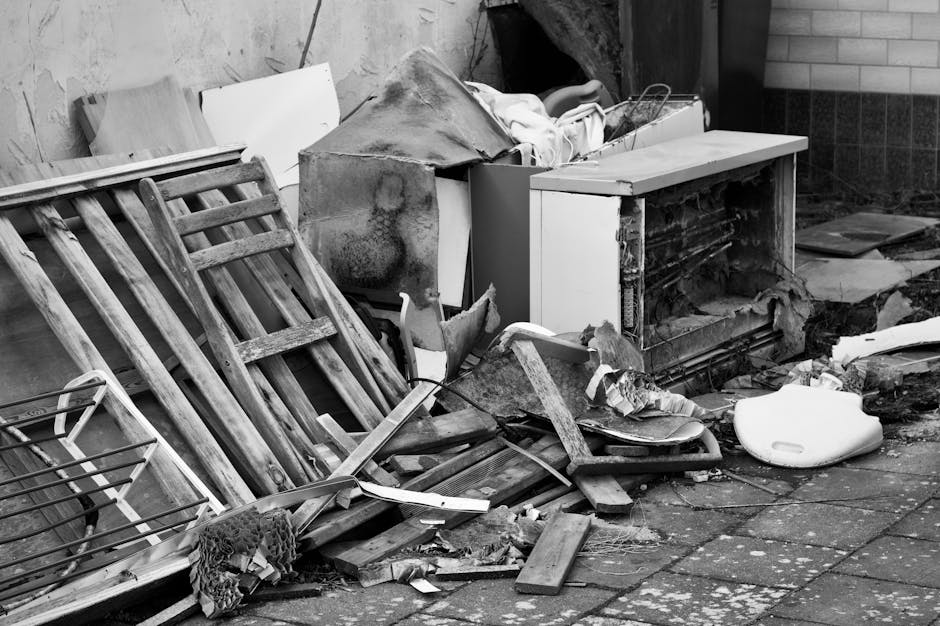
Common Mistakes to Avoid
Most bulky waste problems come from a handful of avoidable mistakes. The good news is that once you know them, they are easy enough to dodge.
- Leaving booking too late: Especially if you are moving out or coordinating with cleaners, decorators, or a landlord.
- Assuming all large items are eligible: Not every big item is suitable, and not every mixed load can go in one booking.
- Failing to separate hazardous or specialist waste: Paint, chemicals, asbestos-related materials, and some DIY debris need different handling.
- Not checking access: A team cannot safely remove what it cannot reach.
- Putting items out incorrectly: Wrong location, wrong time, wrong packaging. That is how collections get missed.
- Ignoring alternative services: Sometimes a bespoke waste collection is actually cheaper and faster once you factor in your time.
People also sometimes think "I'll just leave it near the bins and see what happens." That is the fast track to complaints, not clearance. If something is left out without the right booking or permission, it may be treated as fly-tipping. Not ideal. Not at all.
If you are clearing a home completely, one useful approach is to combine booked bulky waste with a fuller clearance service such as house clearance in Elephant and Castle rather than trying to juggle several separate collections.
Tools, Resources and Recommendations
You do not need specialist software for this. What you need is a simple system. A phone camera, a tape measure, and a short notes app list will handle most situations. That is the honest answer.
Useful things to have ready:
- Measurements: height, width, and depth of each large item
- Access notes: stairs, lifts, parking restrictions, narrow entrances
- Item list: what is going, what is not, and what needs dismantling
- Photos: especially if there are damaged parts or mixed materials
- Booking confirmation: date, time window, and collection instructions
If you are comparing disposal routes, a good benchmark is whether the provider is clear about process, safety, and compliance. On the website, sections such as about us, insurance and safety, and waste carrier licence and compliance help you judge whether a service is set up properly. If those details are vague, that is usually a warning sign.
For people who value straightforward service and easy checkout, payment and security is worth a look too. It is a small thing, but clear payment processes tend to reflect a more organised operation overall.
Law, Compliance, Standards, or Best Practice
For householders, bulky waste is not usually about deep legal complexity. Still, there are important standards to keep in mind. You should never leave items in a way that creates obstruction, hazard, or unlawful dumping. If a council collection is not available immediately, keep the item on your property until it can be removed properly.
Best practice also means using a properly licensed waste carrier when you choose a private collection. That matters because if waste is handed to the wrong operator, it can end up being fly-tipped somewhere else. And yes, responsibility can come back to the person who passed the waste on if they did not check things properly. That is why paperwork and traceability matter.
In practical terms, good compliance means three things:
- Correct classification: household bulky waste, appliance waste, furniture, or specialist waste
- Proper handling: safe lifting, safe loading, and no dangerous packing
- Responsible transfer: to a legitimate outlet or facility, not a mystery van with no details
For anyone planning a larger clearance, especially if builders or contractors are involved, it is also wise to check the line between bulky household items and construction debris. The latter is usually handled differently. If you have renovation waste, builders waste disposal is a more suitable route than a standard bulky waste booking.
Options, Methods, or Comparison Table
There is no single best method for every situation. The right choice depends on how urgent the job is, how many items you have, and how difficult they are to move. A quick comparison helps.
| Option | Best for | Pros | Trade-offs |
|---|---|---|---|
| Council bulky waste collection | One-off household items | Simple for small jobs, generally straightforward, familiar process | May have booking limits, timing constraints, and item restrictions |
| Private rubbish collection | Mixed or urgent loads | Flexible timing, often faster, can handle awkward access | May cost more depending on load size and service level |
| Furniture-specific removal | Sofas, beds, wardrobes, desks | Handy for large domestic furniture, less hassle for you | Not ideal if you also have non-furniture waste |
| Full property clearance | Lofts, houses, offices, end-of-tenancy jobs | One visit can clear multiple waste types | More than needed for a single item |
In many real situations, the decision is not either/or. It is more like "what gets this done cleanly with the least fuss?" If you are dealing with one broken chair, use the simplest route. If you are clearing three rooms, choose a broader service and move on with your life.
For broader household disposal needs, you may also find domestic waste collection useful when bulky waste is only part of the picture.
Case Study or Real-World Example
Here is a realistic scenario. A couple in a Southwark flat are replacing a sofa, a mattress, and a small cabinet after a move. They originally assume council bulky waste is the cheapest answer, which it might be. But then they realise the sofa will not fit neatly outside without blocking the shared entrance, and the mattress is difficult to move down two flights of stairs.
After checking the options, they decide to split the job. The smaller cabinet and mattress go through one route, while the heavier sofa is collected by a private removal team that can handle the lifting. It takes a bit more planning, but it avoids stairwell damage, neighbour complaints, and a bruised shin or two. Worth it? Absolutely.
That example is fairly typical. A lot of bulky waste decisions come down to access and effort, not just price. A cheap collection that creates stress is not actually cheap. And a slightly more expensive service that handles everything in one visit can be the better value if you count your own time honestly. To be fair, time is not free.
If you need same-day help near transport-heavy parts of the area, a rapid option like rubbish removal near Elephant and Castle Station can be a useful reference point for how fast turnaround sometimes works in practice.
Practical Checklist
Use this before you book or put anything outside.
- Have I confirmed the item is actually accepted as bulky waste?
- Have I checked whether the council collection has limits or fees?
- Have I measured the item and checked access?
- Have I separated furniture, appliances, and other waste types?
- Have I removed loose, sharp, or hazardous parts?
- Have I confirmed the collection date and time window?
- Have I cleared the route from the item to the exit?
- Have I considered whether a private removal service would be easier?
- Have I kept booking confirmation and notes somewhere easy to find?
- Have I made sure the collection point will not block neighbours or shared access?
If you can tick all of those, you are in a much better position than most people on their first attempt. And honestly, it is often the little prep that saves the biggest headache.
Conclusion
The main thing to understand about Southwark Council bulky waste rules is this: they are manageable when you treat them as a process, not a guess. Check what is accepted, prepare the items properly, and decide early whether the council route or a private collection is the better fit for your situation. That simple bit of planning makes a big difference.
For one item, the council may be all you need. For awkward access, urgent clear-outs, or mixed household waste, a professional removal service can be the calmer, faster choice. Either way, the goal is the same: get the space back without creating extra problems for yourself or your neighbours.
If you are sorting out old furniture, appliances, or a bigger clear-out in Southwark or nearby, a little preparation now can save a lot of hassle later. That is usually the story with waste jobs, isn't it?
Get a free quote today and see how much you can save.